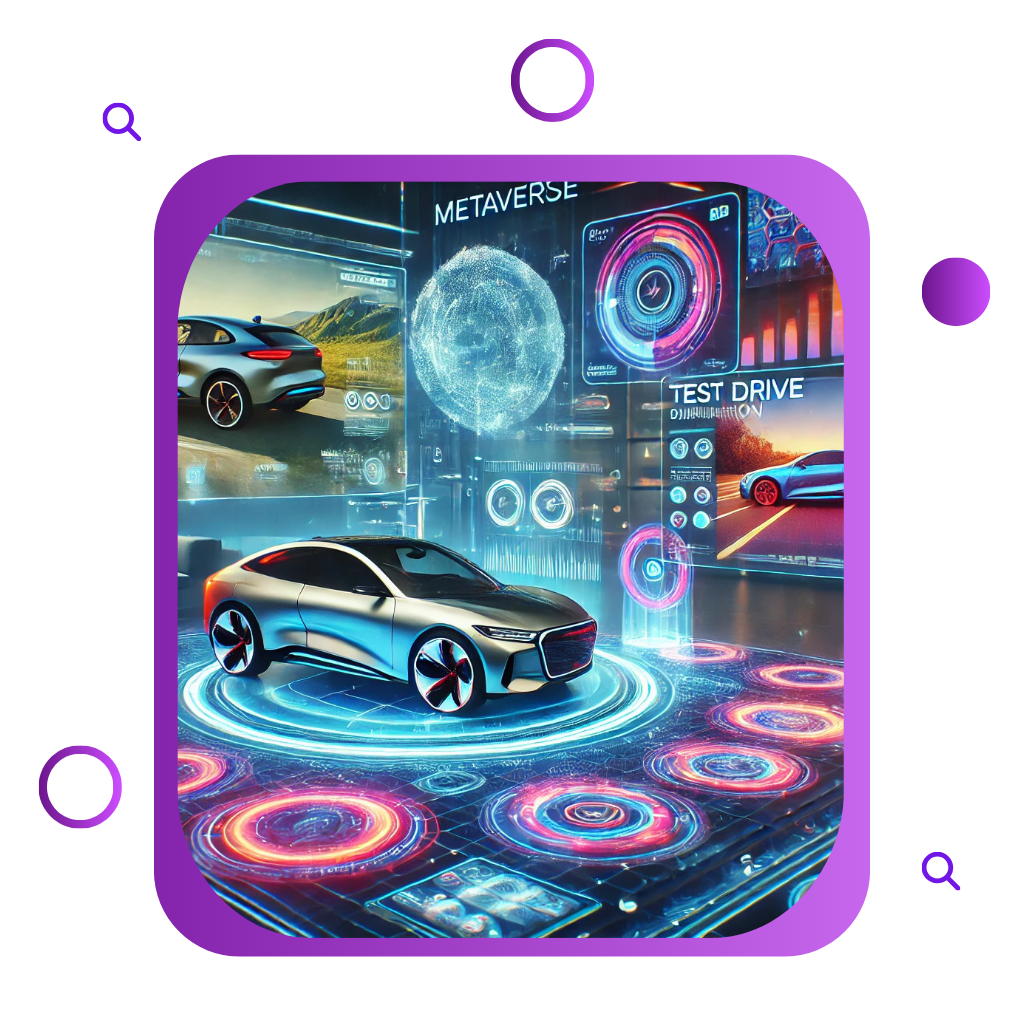
The world of marketing is undergoing a major transformation thanks to virtual reality and metaverse technologies, as these tools provide companies with innovative ways to create immersive experiences and engage consumers in unprecedented ways. These technologies can also enable brands to build deeper relationships with customers, create product loyalty by presenting their products and services in an innovative way, and stand out from competitors in this crowded digital landscape.
- Connect with your customers in a way that suits your company
- Are you ready to stand out from the crowd?
- Make your customers immerse and interact with your products, make a difference, and achieve loyalty
Are you ready to challenge the competitive market?
Distinguish yourself with Metaverse technologies
The Transformative Impact of Metaverse and Virtual Reality on Marketing
Immersive brand experiences:
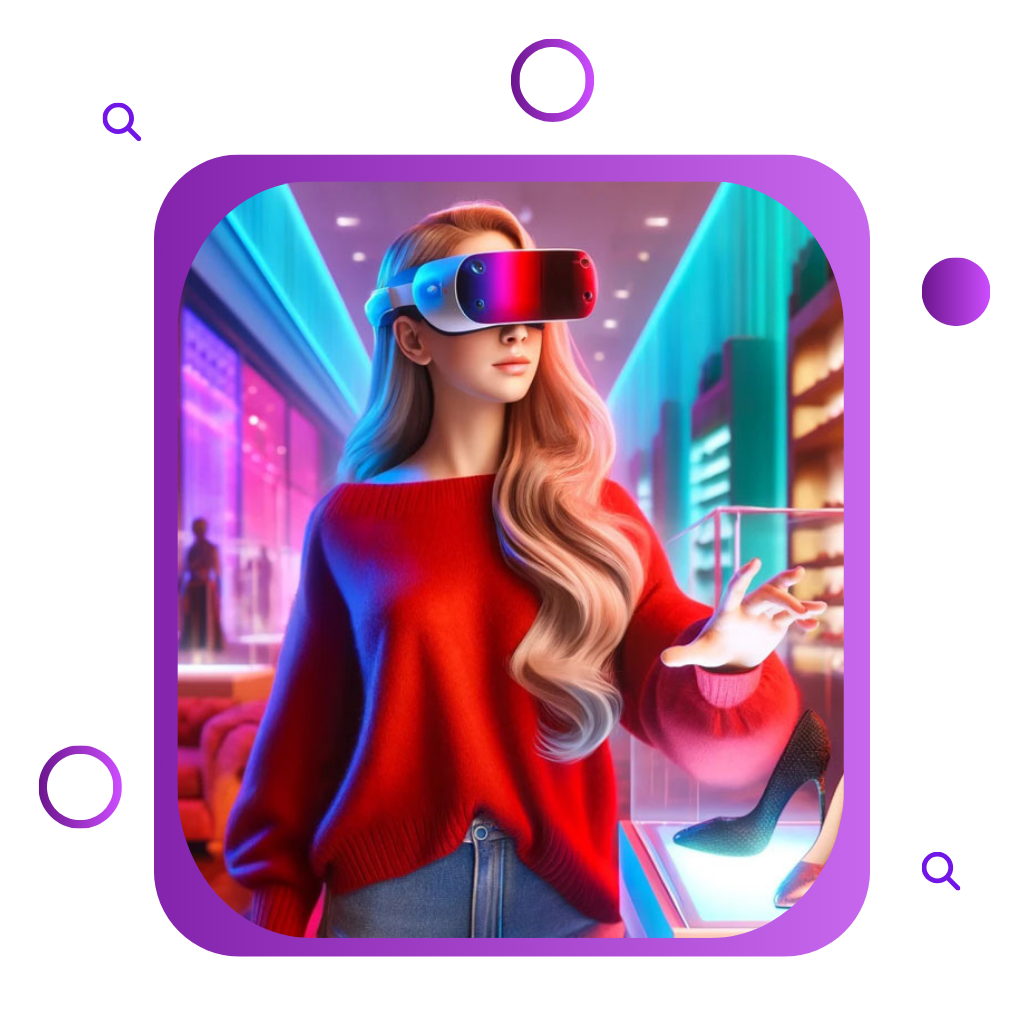
Engage on a deeper level with customers:
The metaverse offers a way to engage with customers in deeper, more personalized ways. Instead of traditional advertising, companies can now create virtual worlds that allow users to engage directly, whether through games, virtual exhibitions, or live events. Example: In the world of fashion, Gucci hosted a virtual event within the platform, where users could purchase virtual clothes to wear on their in-game characters. This event allowed the company to connect with a whole new audience in an innovative and immersive way, reflecting a shift in how brands and consumers build relationships.

Brand differentiation in a crowded landscape: