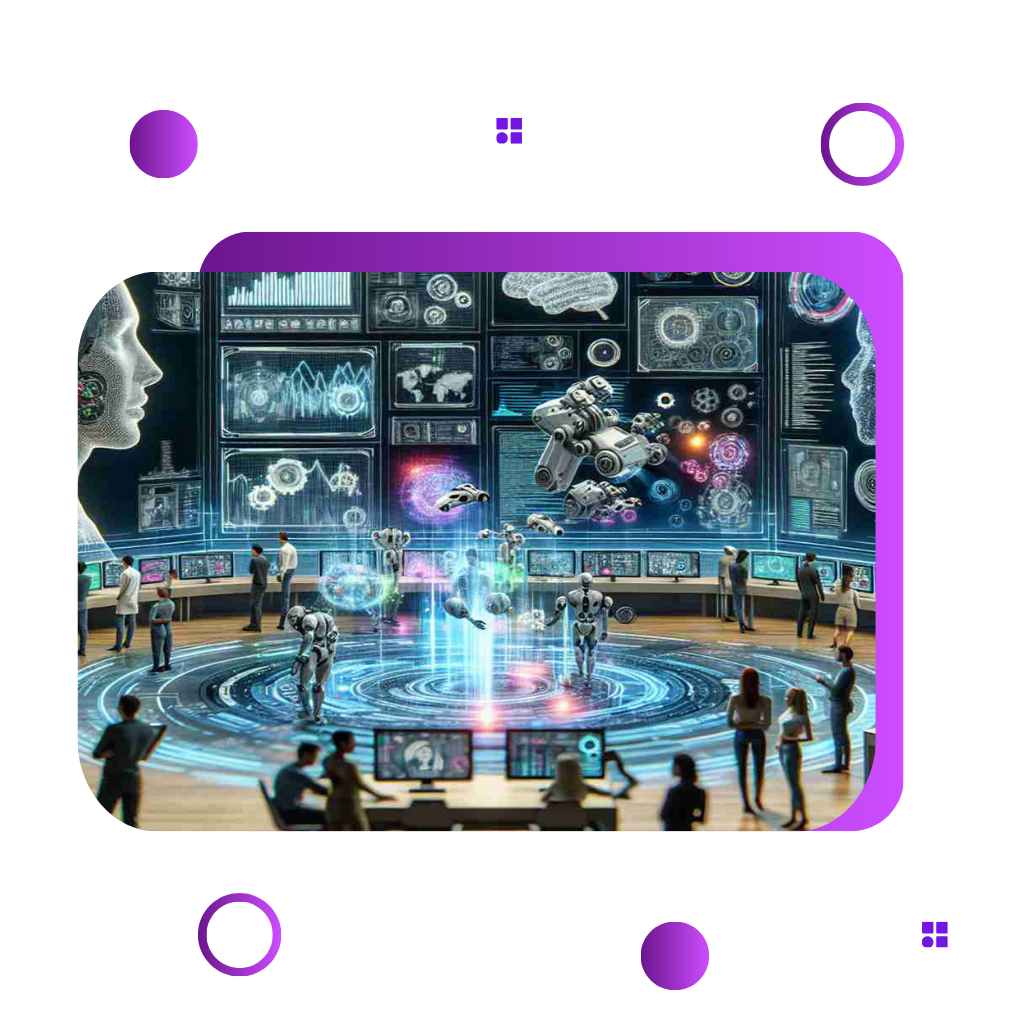
Start your lens jar
Metaverse technology has made a great leap in the field of education
And made us travel through time and receive knowledge from the scientists themselves in their time and in the same life circumstances. Virtual trips using the metaverse in schools are a powerful educational tool that opens new horizons for learning by simulating real environments and cultural and scientific experiences. This technology provides students with unique experiences through which they can explore places and cultures that are difficult to reach in reality
- Travel through time to different worlds and different cultures
- Are you ready to meet scientists and inventors and receive knowledge
From them personally in their time
- Start your educational journey with artificial intelligence
Explore historical and geographical places
Through the metaverse, students can visit famous historical and geographical sites, such as the Pyramids of Giza or the Great Wall of China, without leaving the classroom. Virtual tours provide an immersive experience that enhances students’ historical and cultural understanding.
Entering museums and art galleries
Students can tour world-class museums such as the British Museum or the Louvre, and view artistic and cultural exhibits in interactive detail. This enhances students’ artistic and historical knowledge, and makes learning more interactive and fun.
Exploring natural environments
Using the metaverse, students can visit nature reserves and rainforests or explore life under the sea, helping them gain a deeper understanding of ecology and biology without the need for actual field experiences.
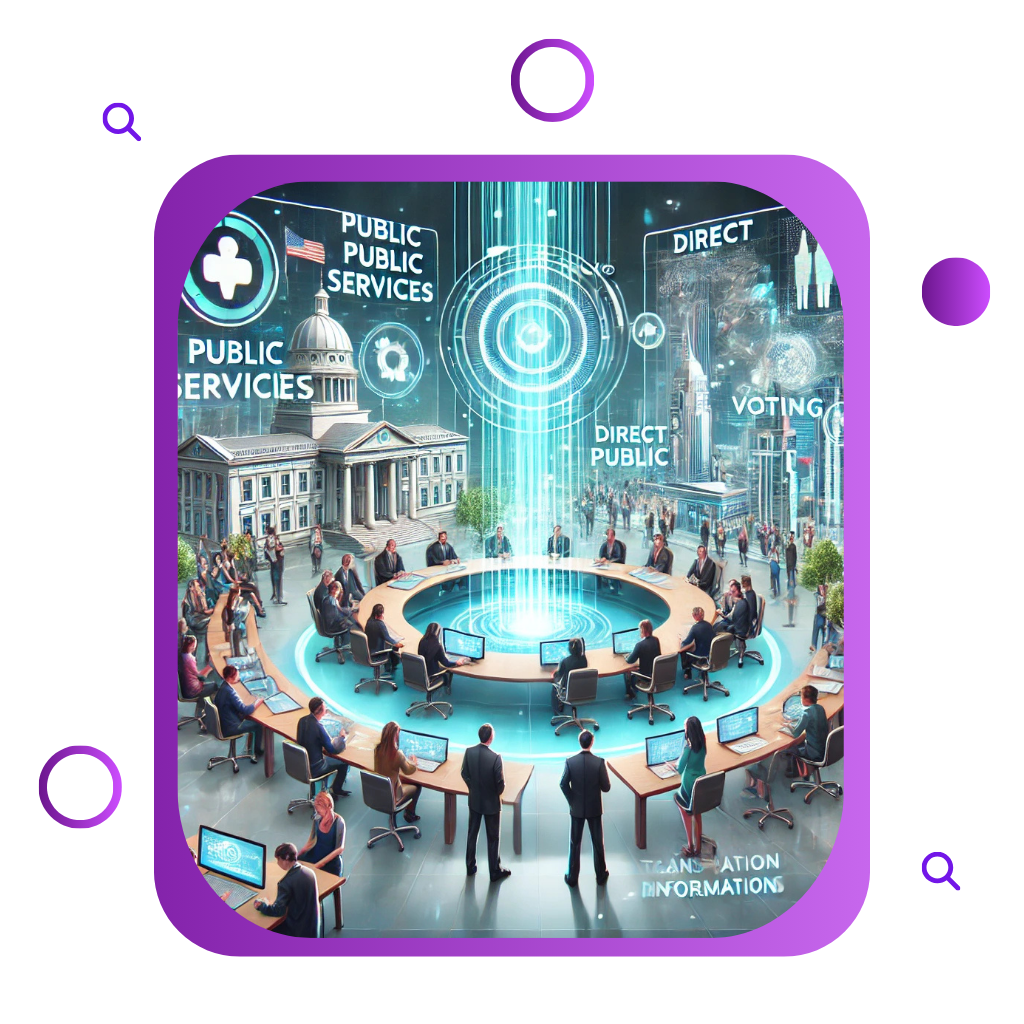
Scientific and Space Learning
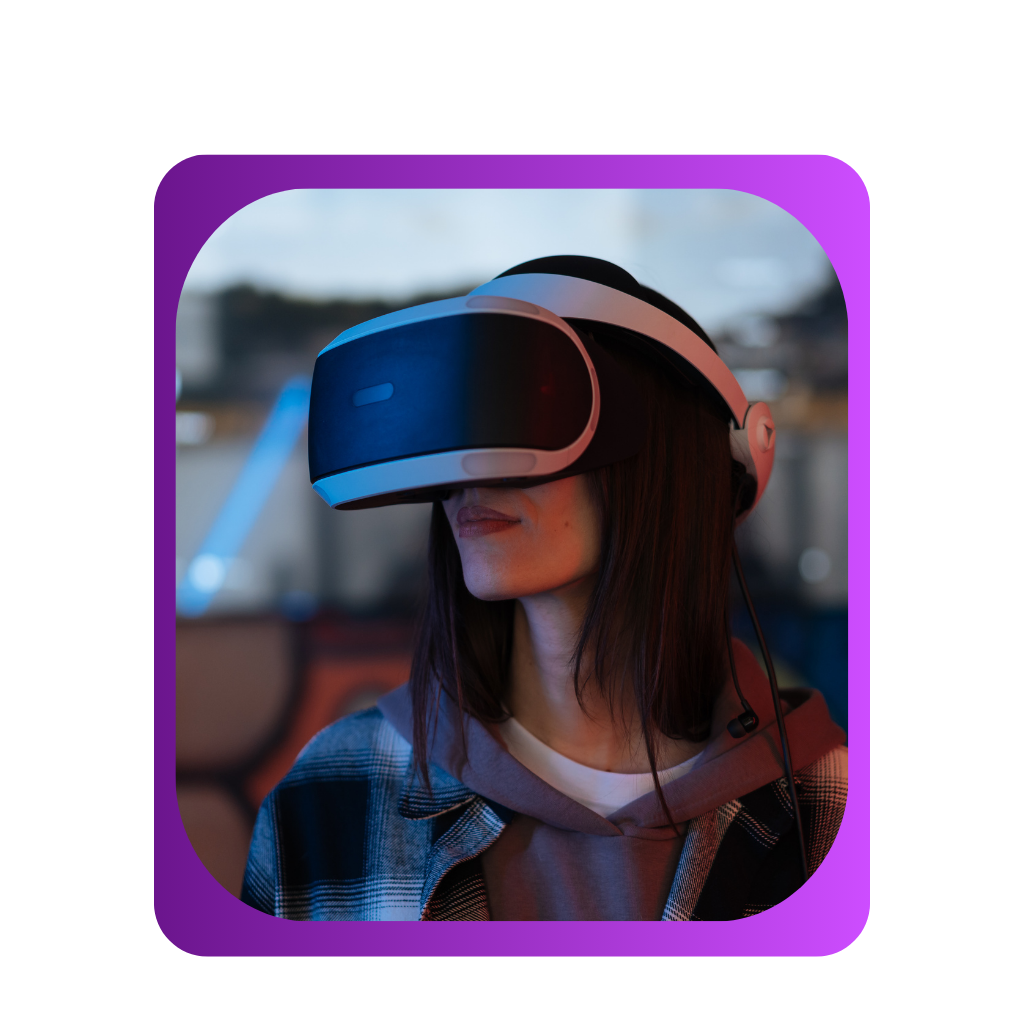
Providing a safe and affordable educational experience
Virtual field trips provide a safe and less expensive alternative to traditional field trips.
They reduce the logistical costs and risks associated with organizing physical trips, making them accessible to a greater number of students.
Enhancing participation and engagement
Virtual field trips encourage students to interact and actively participate in the learning process, as they find these experiences fun and engaging. This type of learning enhances scientific curiosity and makes the course material more exciting and engaging.
Accessing education for all
Virtual field trips provide equal opportunities for all students, including those who cannot participate in traditional field trips due to financial or physical conditions. Everyone can benefit from the same educational experience.
Blended and interdisciplinary learning
Virtual field trips can be integrated with multiple subjects such as history, geography, science,
and languages, enhancing integrated understanding between disciplines.
Students can see the connections between these subjects in a practical and experiential way