Platform features for students
Overall, metaverse and virtual reality schools offer an innovative and practical educational experience that enhances understanding, creativity, and engagement in the educational process, paving the way for the new generation to a future full of educational and professional opportunities.
1. Interactive and immersive learning:
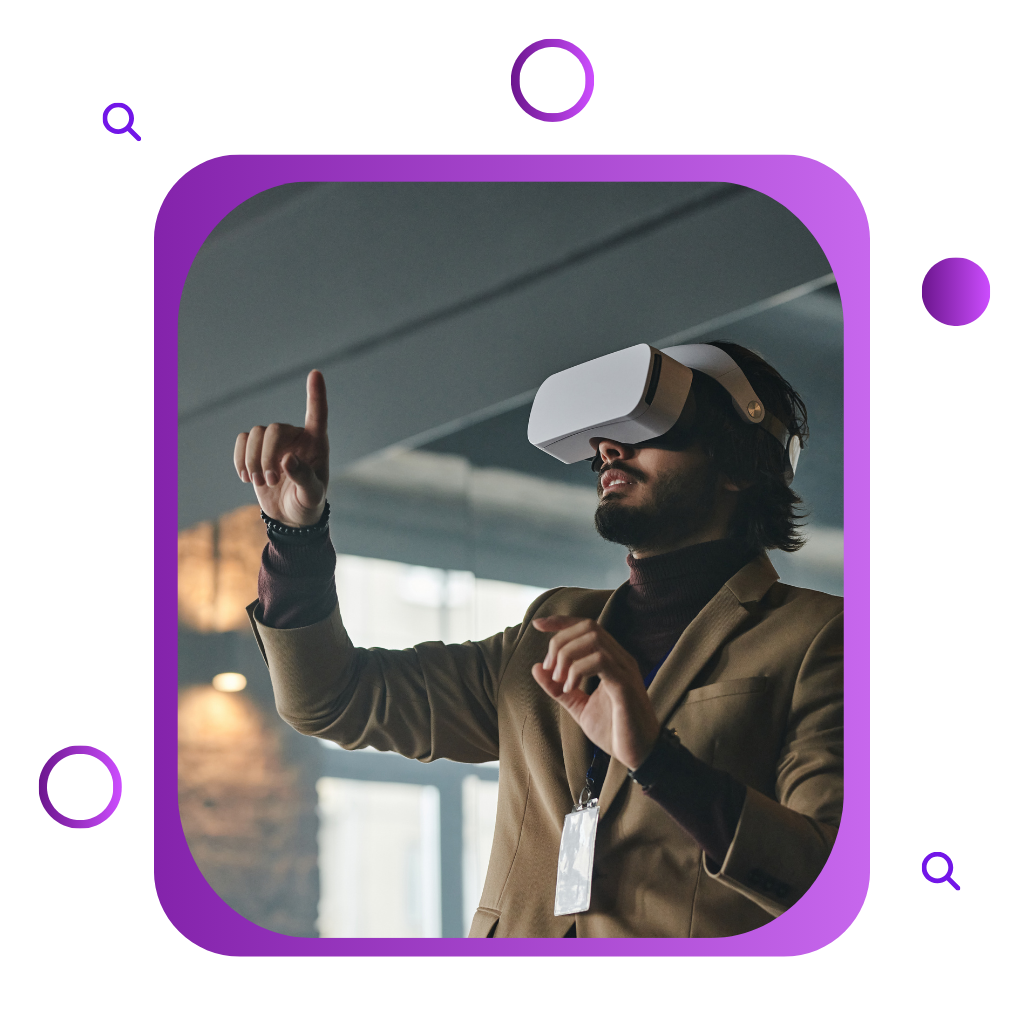
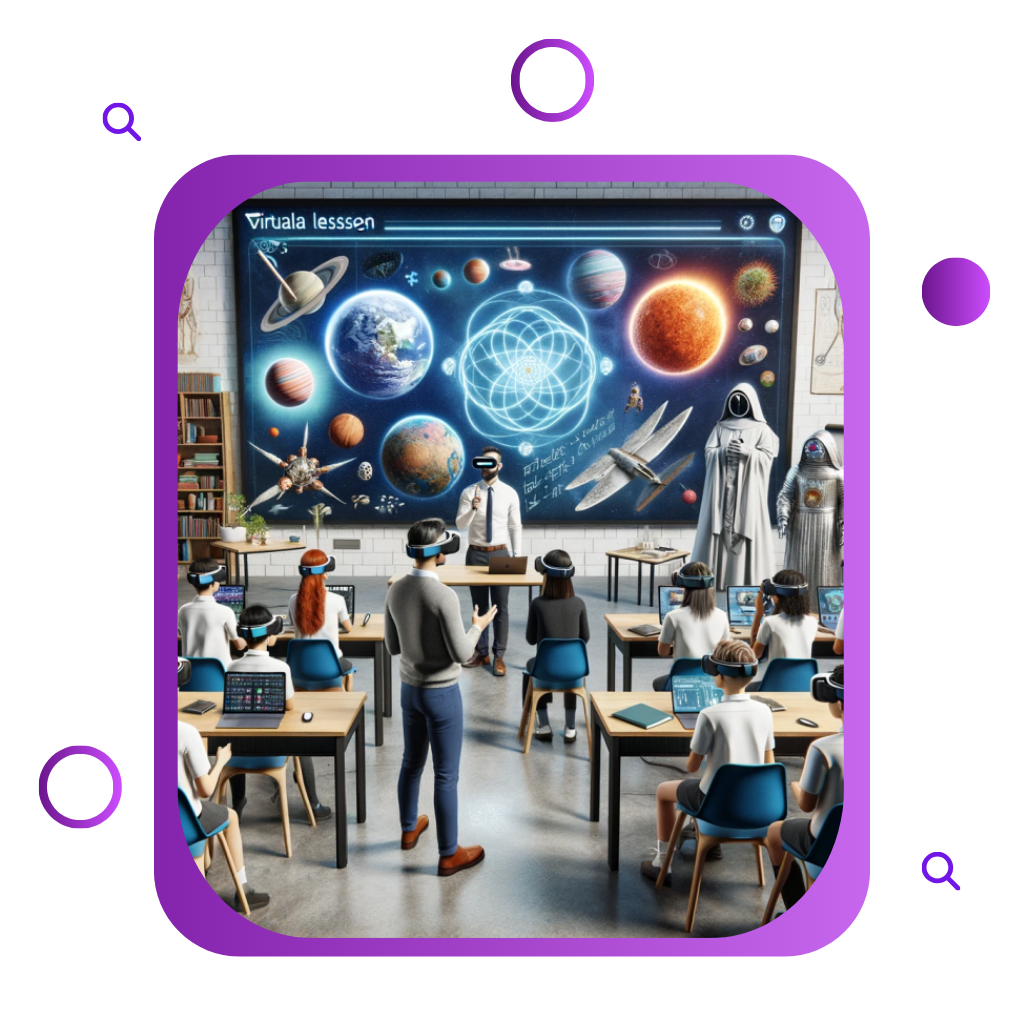
Virtual reality and the metaverse allow students to immerse themselves in interactive and realistic learning environments. For example, students can explore historical eras or conduct scientific experiments without the need for real tools.
2. Personalized and individualized learning:
These technologies can tailor the learning experience to the student’s needs. Students can learn at their own pace and interact with educational materials in a way that meets their personal learning style.
3. Enhancing practical understanding:
Students can apply theoretical concepts practically. For example, instead of studying the human body system theoretically, they can interact with a 3D model of the body and see how different organs work.
4. Enhancing collaboration and communication:
In shared virtual spaces. This technology enhances collaboration between students regardless of their geographical location, opening up new horizons for teamwork and collaborative projects.
Platform features for students
5. Improve engagement and motivation:
The interactive and engaging nature of the metaverse and virtual reality makes students more motivated and engaged in the learning process. This can reduce boredom and enhance the desire to explore and learn.
6. Make education accessible to all:
These technologies provide equal educational opportunities for students who face difficulties in accessing traditional education, whether due to geographical factors or physical constraints.
7. Learn technical skills:
Students who are exposed to metaverse and virtual reality technology gain high technical skills. This enhances their readiness for the job market that requires capabilities in technology and innovation.
8. Develop soft skills:
Interacting in virtual environments enhances soft skills such as problem solving, critical thinking, communication, and teamwork.
Platform features for students
Enhancing the learning experience:
- Deep engagement: Virtual reality allows students to interact with course materials in more realistic ways, enhancing understanding and comprehension.
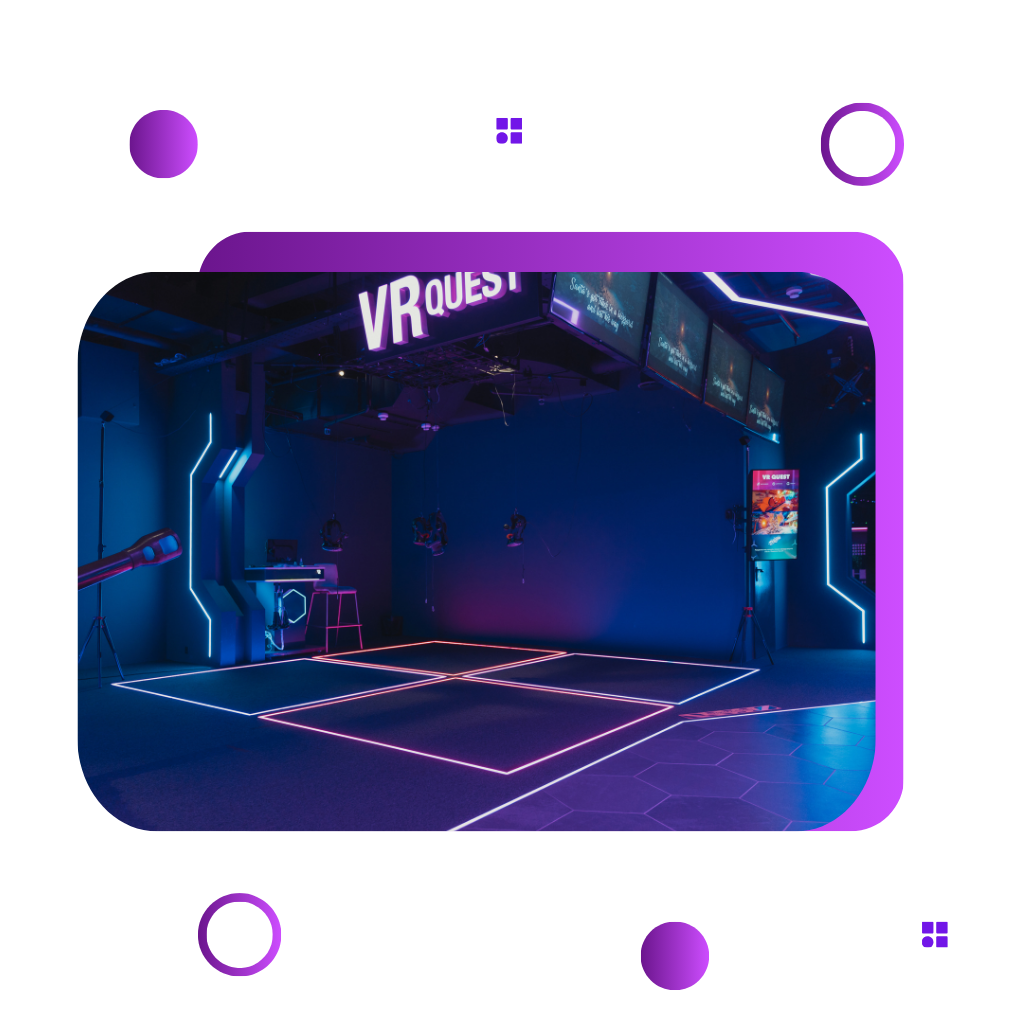
- Live experiences: Students can visit historical sites, conduct complex scientific experiments, or even travel to other planets, all from within the classroom.
- Personalized learning:Learning experiences can be tailored to meet the needs of each student, making learning more effective.
- Increased engagement:Virtual environments encourage students to participate and interact more, leading to improved academic performance.
- Enhancing problem solving:Students can apply theoretical knowledge to solve problems in safe virtual environments, enhancing critical and creative thinking skills.
- Deep learning:Environments allow Virtual environments allow students to explore concepts in greater depth, leading to deeper and more sustainable learning.
- Collaboration and Teamwork:Students can work together on collaborative projects in a virtual environment, enhancing communication and collaboration skills.
- Creativity and Innovation:Virtual environments allow students to think outside the box and develop new ideas.
- Problem Solving:Students can face and solve new challenges in virtual environments, enhancing problem-solving skills.
Platform features for students
To overcome educational challenges:
- Access to education:Students in remote or underprivileged areas can access high-quality education through virtual environments.
- Flexible learning:Students can learn anytime, anywhere, increasing the flexibility of learning.
- Overcoming shyness:Students who suffer from shyness or social anxiety can participate in educational activities more comfortably in a virtual environment. Work readiness:
- Technological skills:Virtual environments help students develop essential technological skills required in the modern job market.
- Critical thinking:Learning in virtual environments encourages critical thinking and problem solving, skills highly sought after by employers.
- Adapt to change :Students learn how to adapt to changes and new technologies, making them more competitive in the ever-changing job market.