Universities

Universities

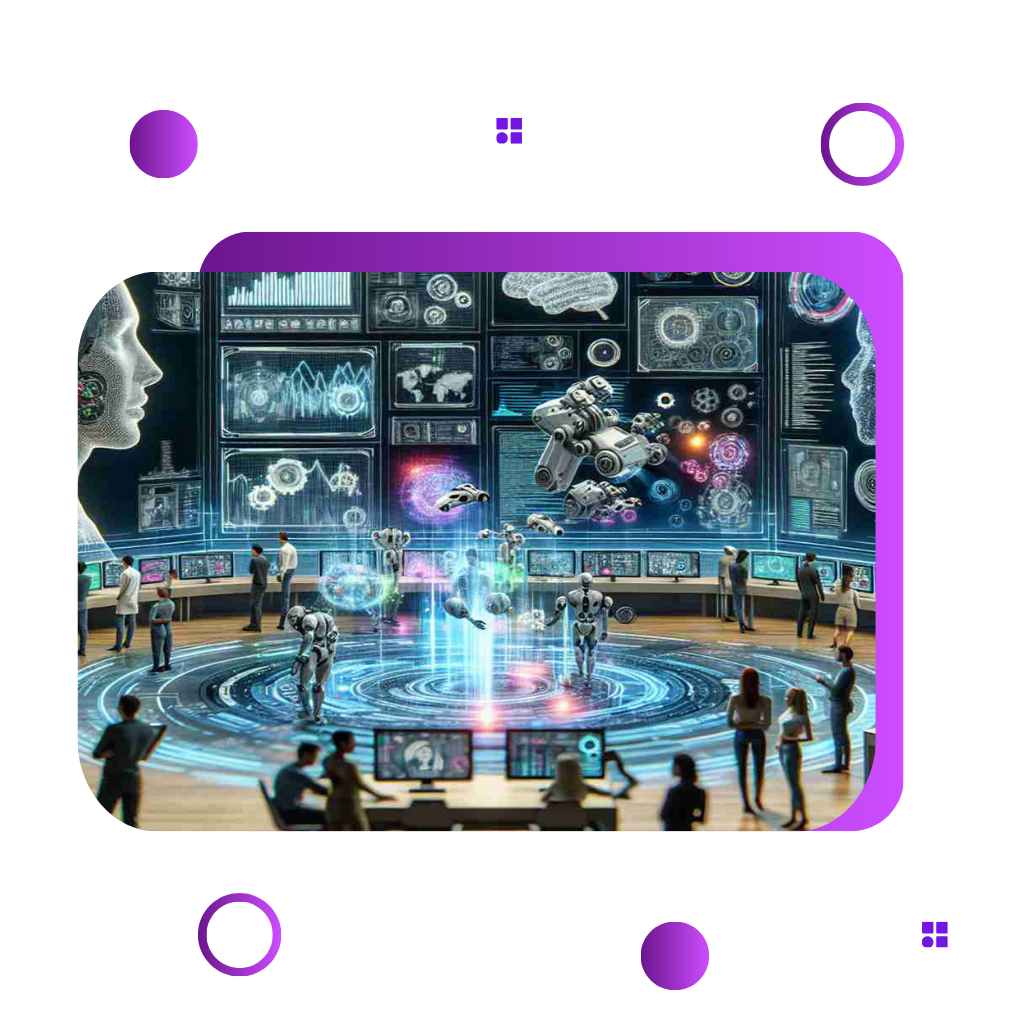
In the context of globalization and the emergence of new information and communication technologies, the COVID-19 pandemic has prompted the development of virtual content for universities and there is a major trend towards digitizing higher education and e-learning content, in an attempt to meet learning needs. However, the online medium currently relies mostly on 2D platforms that suffer from a major lack of internet connectivity. This lack has led to weak interaction in online learning and also a weak sense of presence and participation. In this context, there is a growing trend in online education to move from 2D platforms to 3D platforms. Imagine a university campus that can be accessed from anywhere in the world and at any time. But before you reach it, you must know that you will reach a different world, a world without borders, in which you share and immerse yourself with your fellow students and faculty members. In an immersive journey of fun within the curricula that have been transformed into virtual curricula through a platform.

Ionyx

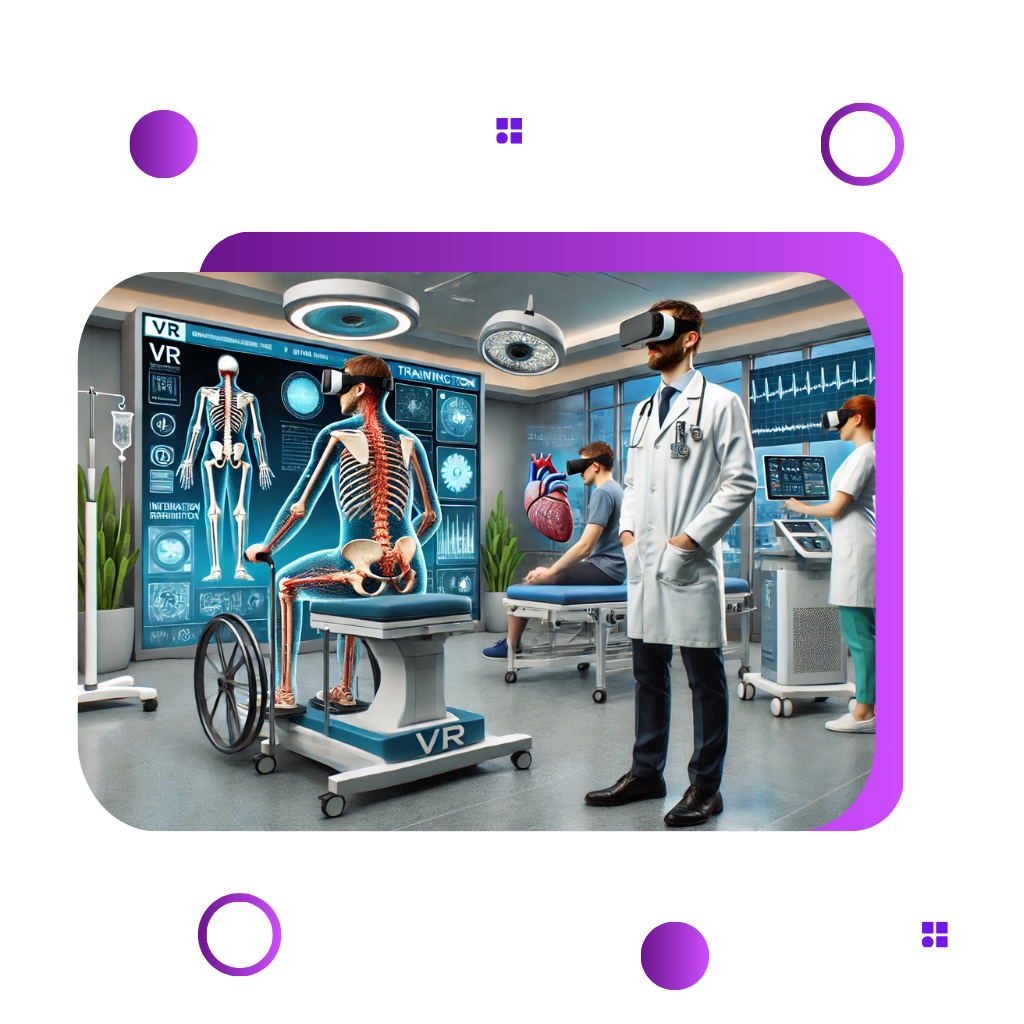
Through our platform, the student can attend all his lectures, dissect corpses, perform surgical operations, study natural phenomena in their places, learn about ancient civilizations at their times, travel through time to the past and the future, visit space and the depths of the seas, and discuss with your professors and colleagues in the same attractive virtual halls that make learning and education a real pleasure.
The importance of metaverse and virtual reality for universities
1 Make educational resources affordable Colleges face budget constraints and lack access to the resources needed for learning. The metaverse can help them overcome such constraints. 2 Boost student performance Virtual learning provides an effective means of visually illustrating concepts through step-by-step instructions to illustrate tasks. It also provides opportunities for learning by doing. Immersion in games can increase engagement in learning activities. 4 Enables experiments on difficult-to-create phenomena In some situations, learning in real-world environments, such as those involving chemistry experiments and flying airplanes, is risky. In such cases, special technologies are used. .5 Increase accessibility for remote students There are significant gaps in higher education between rural and urban areas. Students who are unable to move are offered interactive learning environments for remote students. This allows universities to reach students from all over the world, expanding the reach of international education and reducing barriers.

The importance of metaverse and virtual reality for universities

6. Personalized and data-driven education:
With virtual reality technologies, universities can provide personalized learning experiences for each student. Data from students’ interactions with virtual materials can be analyzed to identify areas of weakness and strength, helping to customize learning plans that fit each student’s needs.

Developing technical skills:
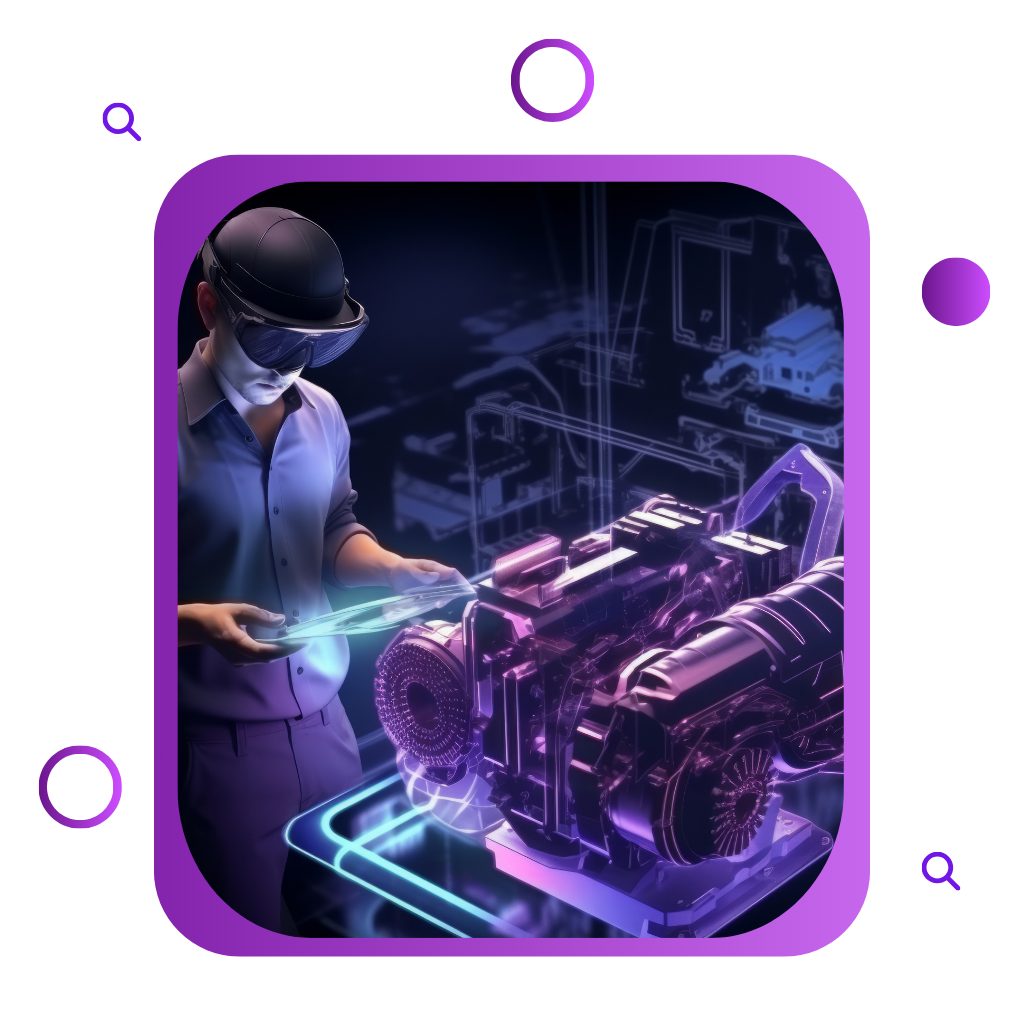
The use of virtual reality in universities helps students acquire advanced technical skills, such as designing virtual environments, programming, and interacting with intelligent systems. These skills are essential in the future labor market, which is increasingly dependent on technology.

8. Enhancing creativity and innovation:
Metaverse environments encourage students to think outside the box and come up with innovative solutions. By interacting in virtual worlds, students can explore new ideas and apply them in a creative way, enhancing their ability to innovate.

7. Enabling education in dangerous or impossible environments:
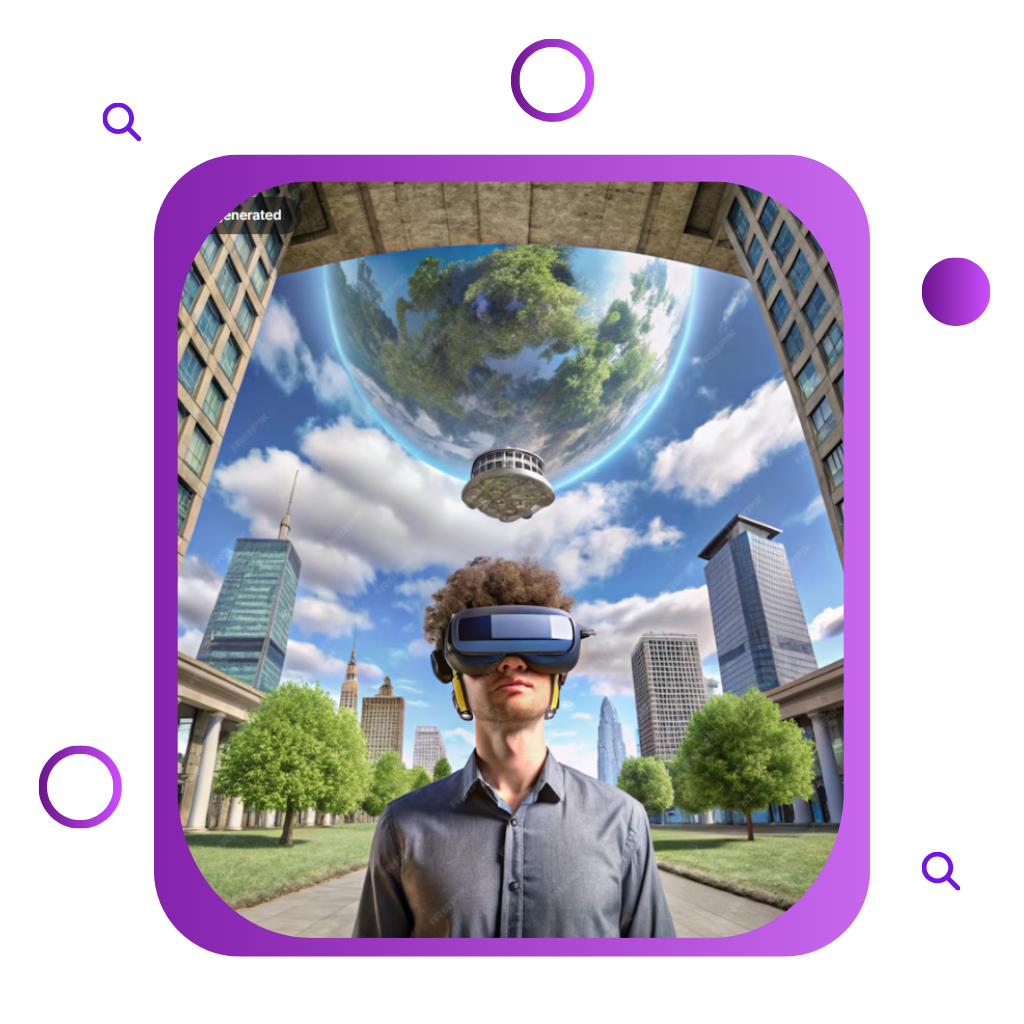
In the metaverse, students can enter educational environments that may be dangerous or impossible in the real world. For example, science students can explore planets or deep oceans, or simulate complex experimental conditions without any actual risks.